March 2, 2026
In construction and remodeling, drywall plays a central role in shaping interiors, protecting structures, and supporting long-term durability. Choosing the right type is not simply about appearance—it directly affects how well a space resists moisture, handles sound, and withstands daily wear. Whether you are planning a renovation or building from scratch, understanding drywall varieties helps ensure better outcomes and fewer maintenance issues.
Understand Regular Drywall Basics
Regular drywall, often called whiteboard, is the most commonly used material for interior walls and ceilings. It consists of a gypsum core sandwiched between layers of protective paper, creating a lightweight yet sturdy panel that is easy to install. Because of its affordability and versatility, it remains a standard choice in many residential and commercial projects.
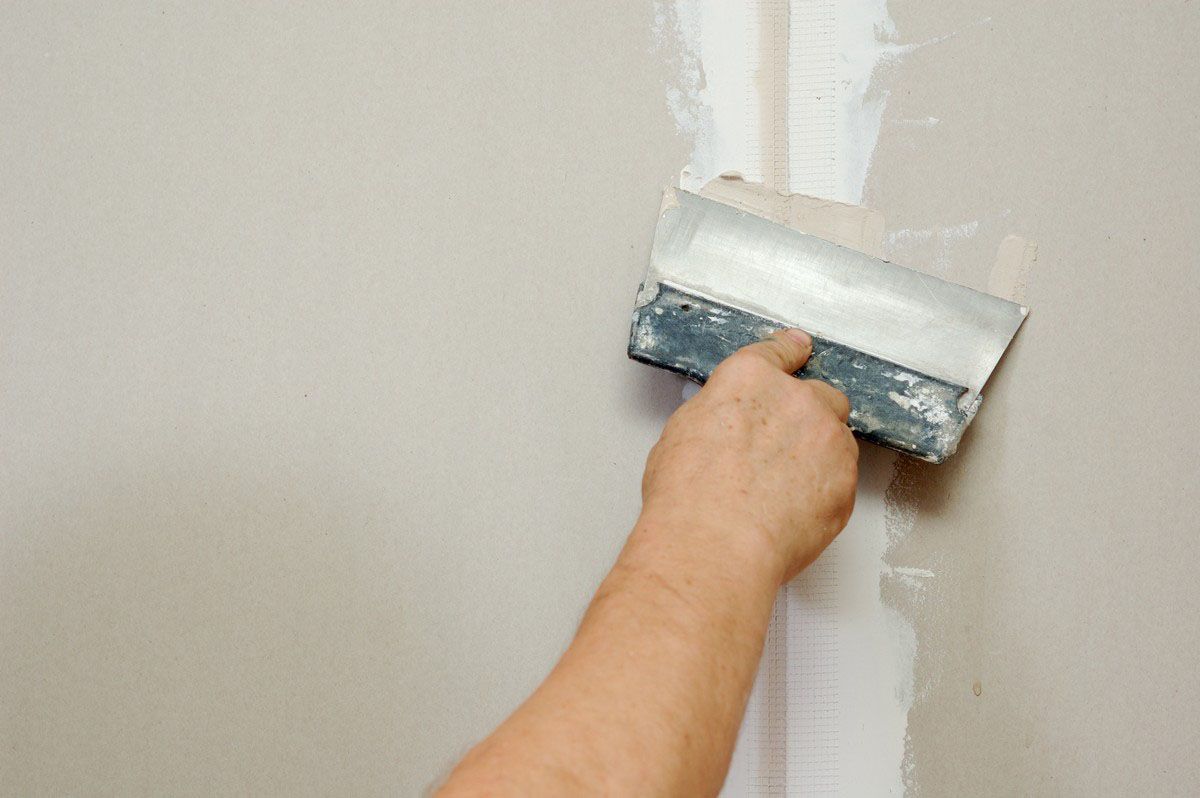
One of the key benefits of regular drywall is its flexibility in finishing options. It creates a smooth surface ideal for painting, wallpapering, and decorative treatments. However, this type does not resist moisture or fire, so it works best in dry, low-risk environments such as living rooms, bedrooms, and offices. Working with a professional drywall contractor helps ensure proper installation, especially when addressing seams, fastening, and surface finishing. Expert installation prevents cracking, uneven surfaces, and long-term structural issues that may arise from improper handling.
Evaluate Mold-Resistant Drywall Benefits
Mold-resistant drywall, commonly known as greenboard, is designed to limit mold and mildew growth in humid environments. It features treated paper facing and additives that help resist microbial activity. This added protection helps extend the lifespan of interior walls by reducing long-term deterioration caused by hidden moisture buildup.
Bathrooms, laundry rooms, and basements often benefit from this material because it reduces the likelihood of mold formation. In these environments, even moderate humidity can lead to costly repairs if standard drywall is used. Mold-resistant options provide an extra layer of protection that supports healthier indoor air quality. According to The Spruce, greenboard drywall commonly comes in 1/2-inch and 5/8-inch thicknesses and conventional 4-foot by 8-foot sizes as well as in 4 x 10 and 5 x 10-foot sheets, which professionals sometimes prefer. This range of sizes helps a drywall contractor adapt installations efficiently while minimizing waste and labor time.
Consider Moisture-Resistant Drywall Uses
Moisture-resistant drywall differs slightly from mold-resistant varieties by focusing primarily on preventing water damage rather than inhibiting mold growth. Its water-repellent surface helps protect interior walls from swelling, deterioration, and bond failure caused by humidity exposure. This can be especially helpful in homes where seasonal humidity levels fluctuate throughout the year.
This drywall type is often used in kitchens, utility rooms, and unfinished basements where damp air is present. It serves as a practical middle ground between standard drywall and fully waterproof materials, offering improved durability without significantly increasing costs. When paired with the right primer and paint, it can provide an extra buffer against everyday moisture. A skilled drywall contractor understands how to determine when moisture-resistant drywall is sufficient and when more specialized materials are required. Proper placement is essential because using it in high-water areas like shower walls may still lead to long-term damage.
Recognize Fire-Resistant Drywall Advantages
Fire-resistant drywall, often referred to as Type X drywall, is engineered with special fibers that improve its ability to withstand high temperatures. This material slows the spread of flames, providing valuable extra time for evacuation during emergencies. Its enhanced density also contributes to greater structural stability during fire exposure compared to standard drywall panels.
This drywall is commonly installed in garages, utility rooms, and multi-family housing where fire safety regulations require enhanced protection. Its dense composition helps maintain structural integrity even when exposed to heat. It may also be specified around certain mechanical areas depending on local building requirements. A professional drywall contractor ensures that fire-resistant drywall is installed according to building codes. Proper layering, fasteners, and finishing techniques are critical for achieving the intended safety performance.
Explore Soundproof Drywall Applications
Soundproof drywall is designed to reduce noise transmission between rooms. It often includes multiple layers or specialized materials that absorb sound vibrations and minimize echoes. This can make a noticeable difference in homes where privacy or quiet working space is a priority. This type is frequently used in home theaters, offices, and multi-unit housing where noise control is essential. It improves privacy and creates more comfortable living or working environments. People often choose it for bedrooms as well, especially when walls border busy common areas. When installed by a drywall contractor with acoustic expertise, soundproof drywall can significantly enhance interior comfort.
Compare Eco-Friendly Drywall Options
Eco-friendly drywall is produced using recycled materials and manufacturing processes that reduce environmental impact. These products often contain less chemical content, contributing to improved indoor air quality. For households sensitive to odors or airborne irritants, that can be a meaningful upgrade.
Sustainable drywall appeals to homeowners and builders who prioritize environmentally responsible construction. It can help reduce waste while maintaining durability and performance standards comparable to traditional materials. Some options also support greener building goals without requiring major design changes. An experienced drywall contractor can recommend eco-friendly options that align with project goals, balancing sustainability with cost and structural requirements. They can also help determine which products fit best based on room use, humidity levels, and finishing plans.
Assess Specialty Drywall Features
Specialty drywall products include impact-resistant panels, abuse-resistant varieties, and flexible drywall for curved surfaces. These options address unique design and durability challenges in both residential and commercial settings. They are often selected when standard drywall would wear out too quickly or limit design choices.
Impact-resistant drywall is commonly used in high-traffic areas such as schools and hospitals where walls are more likely to experience damage. Flexible drywall allows architects to achieve creative design elements without compromising structural stability. In homes, these features can be useful in hallways, playrooms, or areas where furniture frequently bumps into walls. Selecting the appropriate specialty drywall often requires guidance from a drywall contractor who can evaluate usage conditions, traffic levels, and long-term performance expectations. The right selection can reduce patching and repainting over time.
Plan Proper Installation and Maintenance
Proper installation plays a crucial role in drywall performance, regardless of the type selected. Accurate measurements, secure fastening, and careful finishing all contribute to long-lasting results. Consistent finishing is also what helps walls look smooth under bright lighting.
Maintenance is equally important because drywall can deteriorate if exposed to prolonged moisture or structural movement. Routine inspections help identify early signs of cracking, staining, or damage before they become costly problems. Addressing small issues early can prevent larger repairs later, especially in moisture-prone areas. Working with a reputable drywall contractor ensures that installation and maintenance practices meet professional standards. This expertise helps protect both the aesthetic quality and structural integrity of interior spaces.
Choosing the right drywall type ultimately supports better durability, safety, and comfort in any property. From moisture resistance to sound control, each variety serves a specific function that enhances overall building performance. Understanding these differences empowers homeowners and property managers to make informed decisions.
At Quality Craft Home Enhancements, we take pride in helping homeowners achieve lasting results through expert craftsmanship and reliable service. With over 10 years of combined experience serving Southeast Connecticut, our team offers free estimates and a full range of remodeling solutions, from drywall installation to kitchen, bathroom, and basement upgrades. If you are ready to work with a skilled
drywall contractor who prioritizes quality and customer satisfaction, contact Quality Craft Home Enhancements today to schedule your consultation and start transforming your space with confidence.